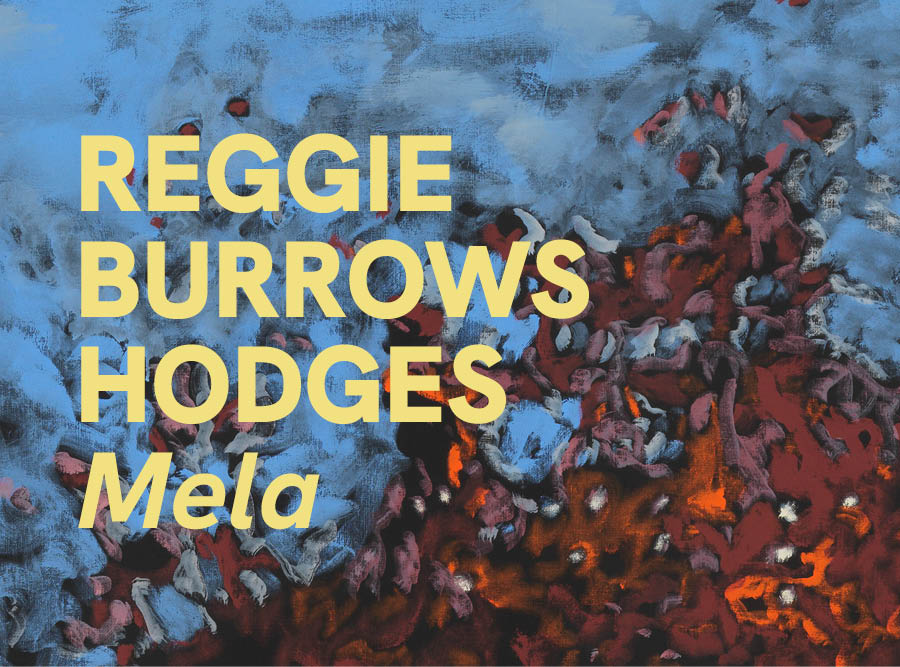
MICAS presents Reggie Burrows Hodges’ first solo exhibition in Europe
Reggie Burrows Hodges:Mela is a landmark exhibition featuring over 30 new works inspired by his time in Malta, including the artist’s largest paintings to date
Curated by Edith Devaney, Artistic Director of MICAS
9 May – 30 August 2026
Developed entirely in Malta, the exhibition brings Hodges’ practice into direct dialogue with the island’s social, historical and geographic landscape
Includes a monumental, site-specific work inspired both formally and by the scale of Caravaggio’s The Beheading of Saint John the Baptist, responding to Malta’s cultural legacy
Expands Hodges’ long-running investigations of labour, power and memory, embedding local Maltese histories within a broader human narrative
Spans painting and a sound installation in MICAS’ external vault influenced by Neolithic sites across Malta and Gozo
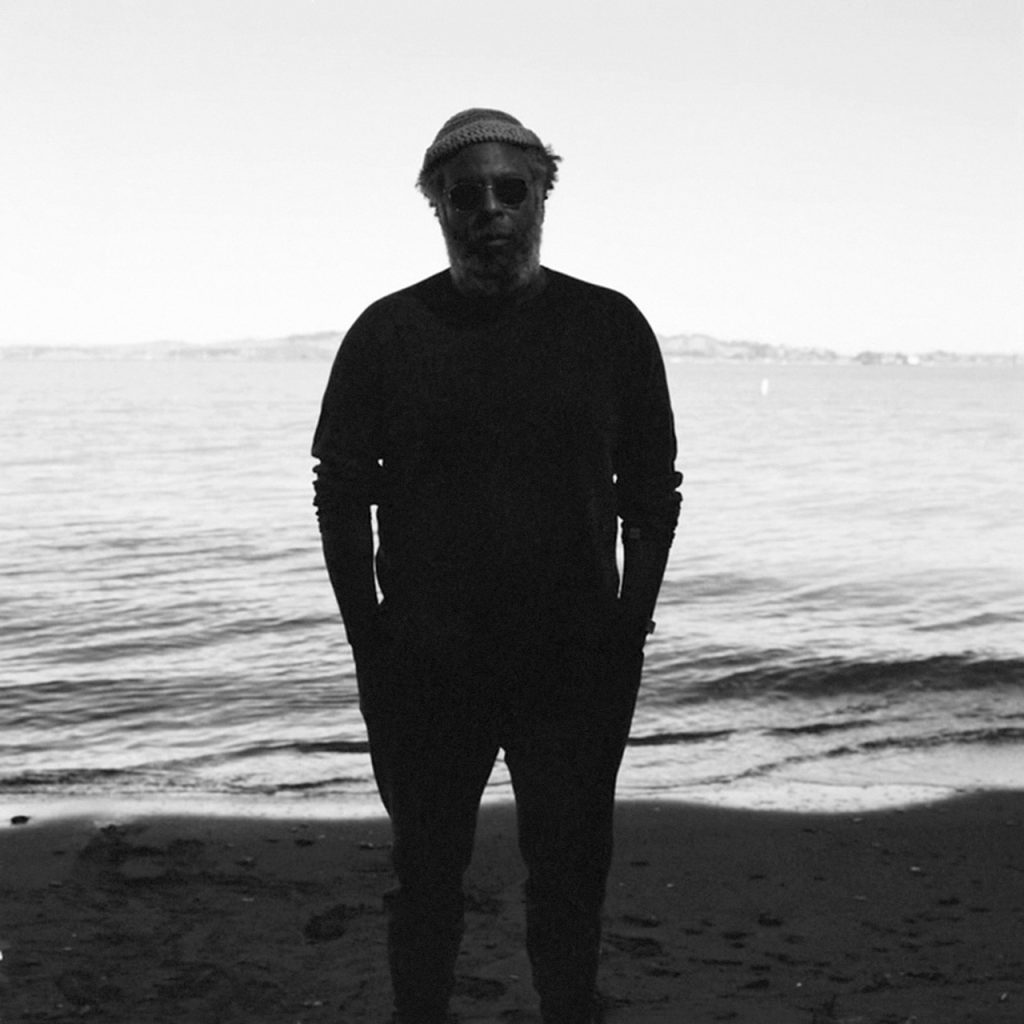
Reggie Burrows Hodges
Malta International Contemporary Art Space (MICAS) presents Mela, a major solo exhibition by painter Reggie Burrows Hodges, marking the artist’s first exhibition in Europe. Mela brings together an entirely new body of work created during Hodges’ time in Malta in 2024, informed by his experiences on the island engaging with its culture and history. Spanning over 30 new paintings across the museum’s four main gallery floors, including the largest canvases of his career, Mela represents Hodges’ most ambitious body of work to date. The exhibition is curated by Edith Devaney, Artistic Director of MICAS, and runs from 9 May to 30 August.
Hodges (b. 1965, Compton, California) is an internationally acclaimed artist known for his formally inventive paintings, which consider fleeting, everyday moments as well as the social and historical conditions that charge them. Mela – a widely used Maltese discourse marker which, Hodges has observed, often precedes the expression of a thought – brings his practice into fresh dialogue with the Maltese context. The paintings were developed during the artist’s extended stay on the island, and are shaped by his immersion in Malta’s social, historical and geographic landscapes. These considerations of subjects including the rugged coastline and surrounding Mediterranean sea, the built environment and the forms of labour that sustain it embed local Maltese histories within Hodges’ broader investigation of human dignity and endurance.
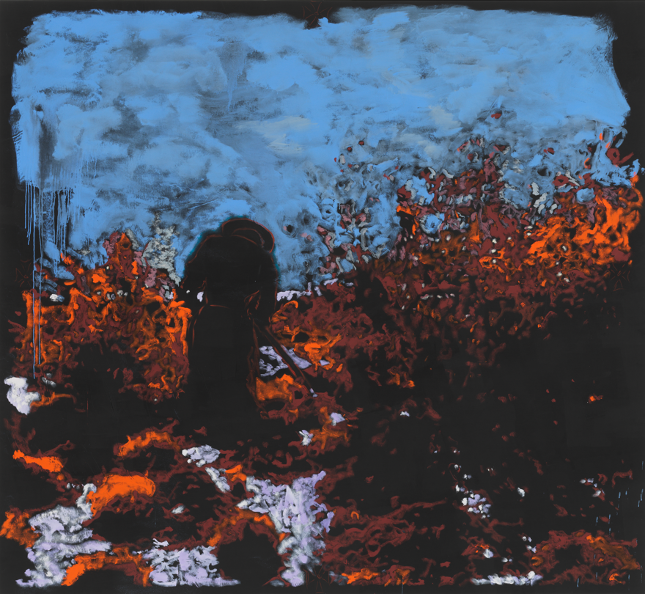
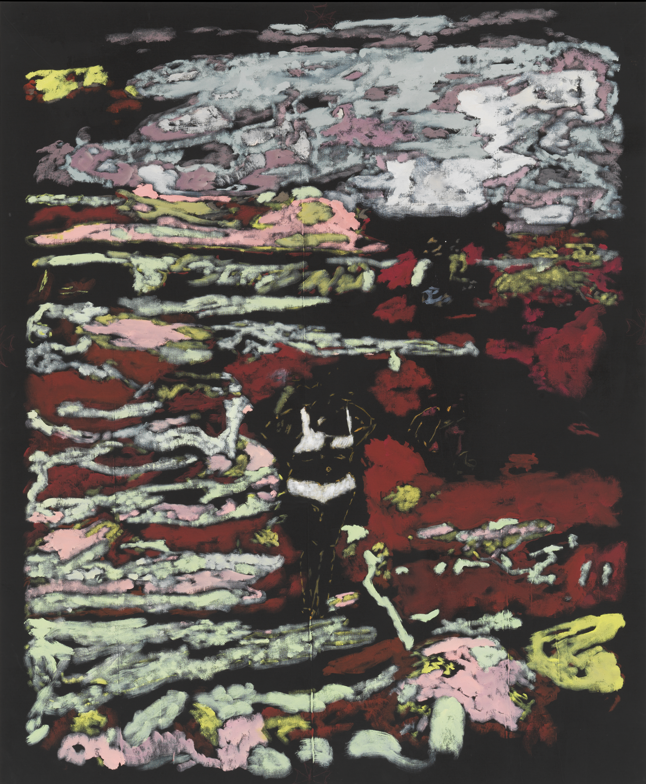
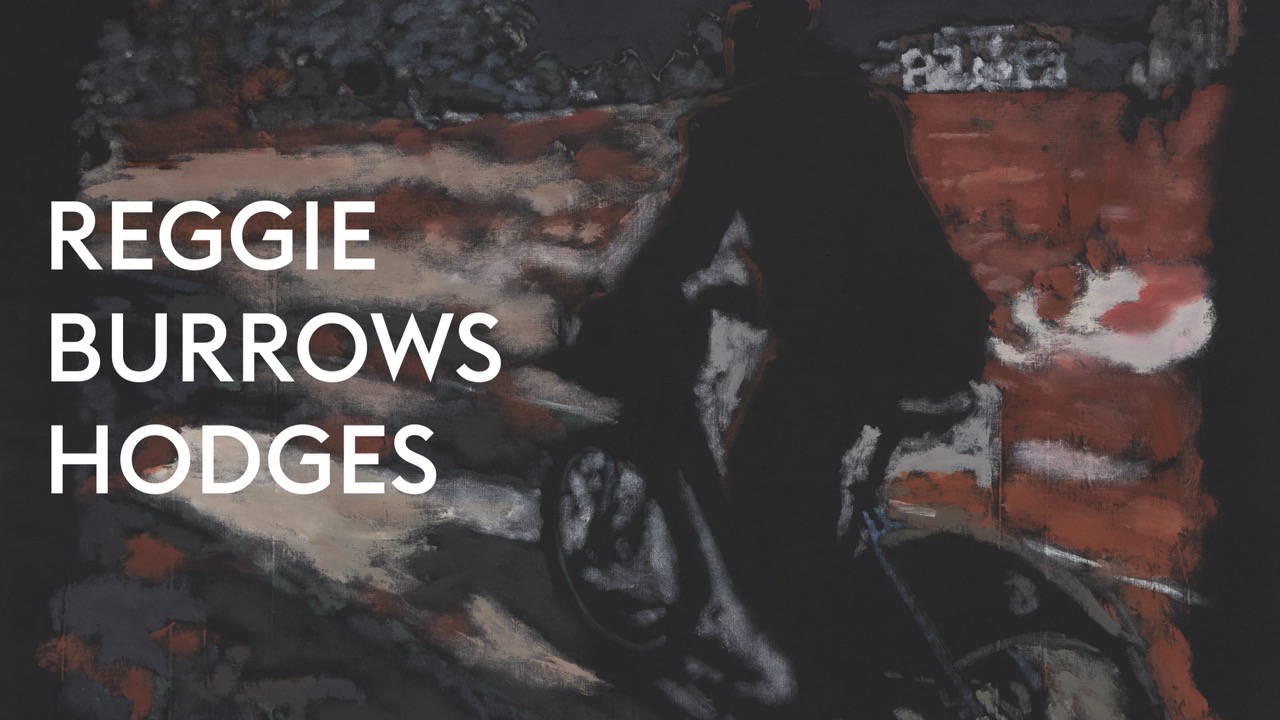
The works in Mela exemplify Hodges’ distinctive painterly language, which is informed by theatre, film, art history and his own memories. Hodges begins with a black ground, his figures emerging through richly rendered environments and garments. In forgoing descriptive realism in favour of atmosphere and gesture, the artist pursues generative ambiguity, the evolving relationship between people and their surroundings, and the nature of memory. This approach connects Mela to Hodges’ wider practice, including his acclaimed paintings rooted in recollections of growing up in Compton, which foreground Black community and resilience, and draw inspiration from influences like David Driskell, Alex Katz and Milton Avery.
Among the exhibition’s key works is a monumental painting created as an ode both formally and in scale to Caravaggio’s The Beheading of Saint John the Baptist, which was painted in Malta during Caravaggio’s exile and remains the artist’s largest and only signed work. Hodges responds to this historical precedent with a site-specific reinterpretation, filtered through his own visual language and contemporary concerns.
Elsewhere in the exhibition, Hodges returns to his long-running ‘Labor’ series, here focusing on the manual work of the labourers to construct Malta’s rapidly developing built environment. In Malta, these works resonate with the island’s architectural histories and its long relationship to land and survival.
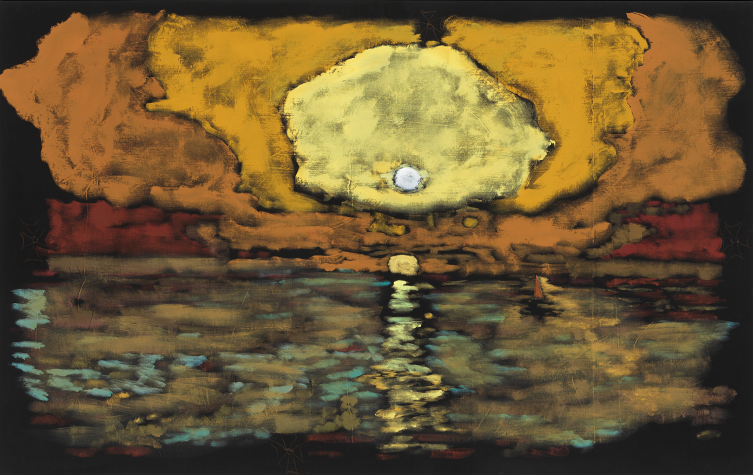
Complementing these paintings is a group of seascapes inspired by Malta’s surrounding waters and Hodges’ longtime consideration of the complex histories and mythologies of the sea. Buoys, shorelines, bathing huts and pools recur throughout the exhibition, evoking both traditional social practices and contemporary forms of belonging. Reflecting on the people, landscapes and layered histories that shaped the project, Hodges has described Mela as “a poem to Malta.”
As a coda to the main gallery exhibition, Hodges has programmed the external vault with a related sound installation influenced by accounts of Neolithic music from past civilisations across Malta and Gozo. Drawing on recordings from these ancient sites, Hodges has developed a musical framework that transforms this material into a sensory experience.
Reggie Burrows Hodges: “Without making the journey to Malta and spending time immersing myself in the culture, I wouldn’t have had a shot at its richness. That would have been a real loss – not for Malta, but for me.”
Edith Devaney, Artistic Director of MICAS and curator of the exhibition, commented: “It has been extraordinary to observe how Reggie immediately immersed himself in every aspect of Malta, allowing himself to become deeply receptive to the country and its people, and the extent to which he was able to translate these observations into a powerful and emotional body of work.”
Mela forms part of MICAS’ wider programme exploring cross-cultural exchange between artists and Malta, examining how the island’s distinctive history and social fabric can act as a catalyst for new artistic production. Following growing international recognition of Hodges’ work, the exhibition further affirms his position as one of the most significant painters of his generation. It will be accompanied by a fully illustrated publication featuring a new essay by Edith Devaney.
Since opening in 2024, MICAS has presented a programme spanning major international and Maltese artists, including its inaugural solo exhibition of Joana Vasconcelos and agroup exhibition exploring the legacy of Milton Avery through the work of Henni Alftan, March Avery, Harold Ancart, Andrew Cranston, Gary Hume, Nicolas Party and Jonas Wood.
About Reggie Burrows Hodges
Hodges’s work has been presented in solo exhibitions at, among others, The Parrish Art Museum, Water Mill, New York (2025); Karma, Los Angeles (2025, 2023); San Francisco Museum of Modern Art (2023–24); Addison Gallery of American Art, Andover, Massachusetts (2023); the Center for Maine Contemporary Art, Rockland, Maine (2021–22), Karma, New York (2021), and Dowling Walsh Gallery, Rockland, Maine (2020, 2019). His work is held in the public collections of the Ackland Art Museum at the University of North Carolina, Chapel Hill; Addison Gallery of American Art, Andover, Massachusetts; Art Gallery of New South Wales, Sydney; Art Institute of Chicago; Blanton Museum of Art, Austin; Carnegie Museum of Art, Pittsburgh, Pennsylvania; Colby College Museum of Art, Waterville, Maine; Crystal Bridges Museum of American Art, Bentonville, Arkansas; Dallas Museum of Art; Farnsworth Art Museum, Rockland, Maine; Fondation Louis Vuitton, Paris; Hammer Museum, Los Angeles; Indianapolis Museum of Art, Indiana; Los Angeles County Museum of Art; Metropolitan Museum of Art, New York; Montreal Museum of Fine Arts; Museum of Contemporary Art, Los Angeles; Museum of Fine Arts Boston; Nasher Museum of Art, Durham, North Carolina; Portland Museum of Art, Maine; Rose Art Museum at Brandeis University, Waltham, Massachusetts; San Francisco Museum of Modern Art; Stedelijk Museum, Amsterdam; Studio Museum in Harlem, New York; Tate Modern, London, and the Whitney Museum of American Art, New York.
Born and raised in Compton, California, Reggie Burrows Hodges moved as a teenager to New York and Washington, DC. He attended the University of Kansas, where he studied in the theatre department, took coursework in African American studies, and played tennis on scholarship. He settled in New York after graduating, and focused on music, founding a reggae band, Trumystic, with which he toured from 1995 to 2010, and co-owning Bass Mind Recording Studio in Brooklyn. In addition, he worked as a professional tennis coach for the United States Tennis Association/International Tennis Federation Pro Circuit. He moved to Vermont in 2000 before settling in Maine in 2008.